Restoring the Soft, Natural Fullness That Defines Your Feminine Hairline

Hair loss in women is deeply personal and often emotionally overwhelming, especially when it affects your hairline, part, or overall density. At StudioMD, we specialize in understanding the unique patterns of female hair loss and offer the most advanced surgical solutions—including FUE and FUT techniques—to restore fullness, soften thinning areas, and help you feel like yourself again.

Our female-focused approach prioritizes natural design, long-term stability, and discreet, beautiful results. If you’re exploring hair restoration options, schedule your complimentary consultation today.

Cost: Limited time $11,000 $6,500

woman behind reception desk at Studio MD office

Understanding Female Hair Loss

Female hair thinning can occur for many reasons—genetics, hormonal changes, stress, medical conditions, aging, pregnancy, or certain styling practices. Unlike men, women often experience diffuse thinning instead of isolated bald patches, which requires a highly specialized transplant strategy to achieve seamless, natural blending.

At StudioMD, every treatment begins with a comprehensive evaluation to assess scalp health, donor density, overall patterns of thinning, and long-term preservation of your existing hair. From early-stage thinning to more advanced hair loss, our team will develop a personalized plan to restore density while protecting your natural hairline.
Begin Your Journey with StudioMD Schedule a Consultation

Contact Us

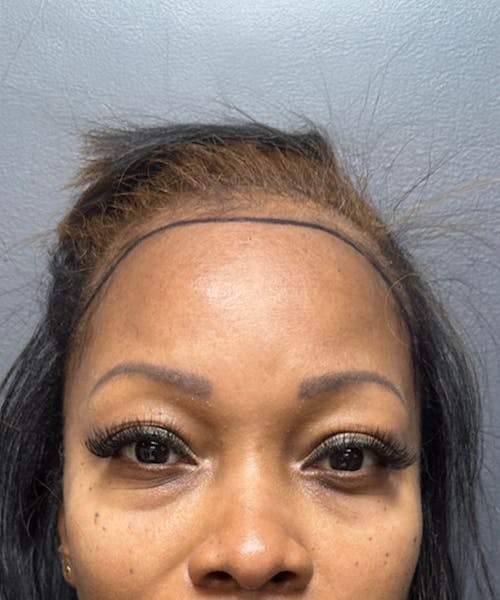
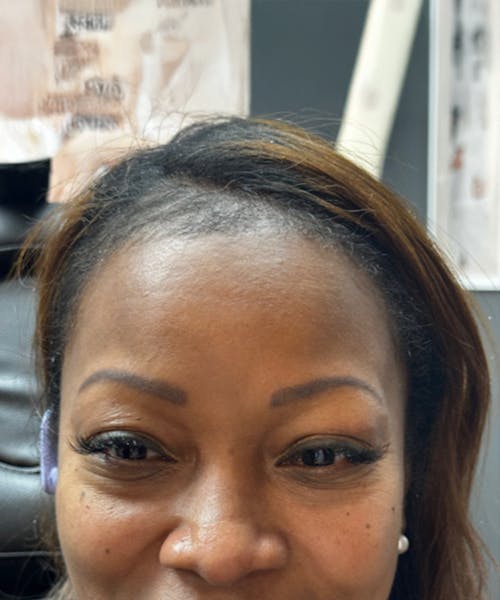
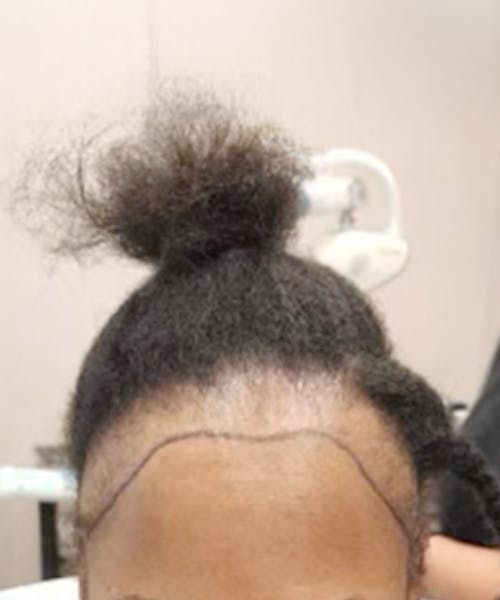
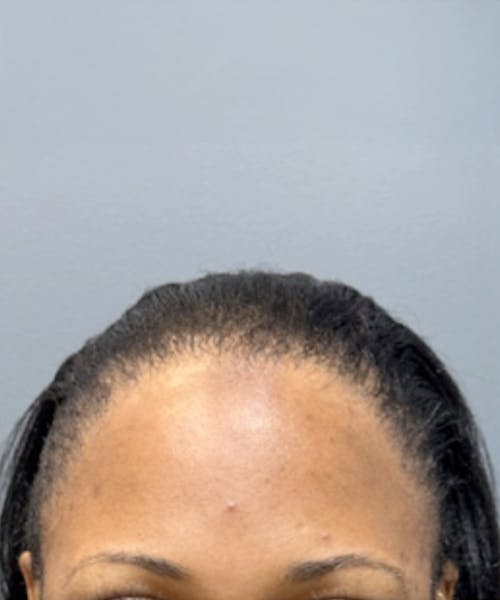
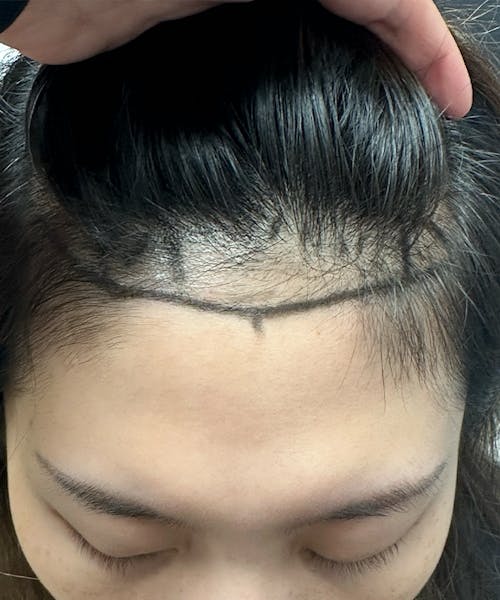
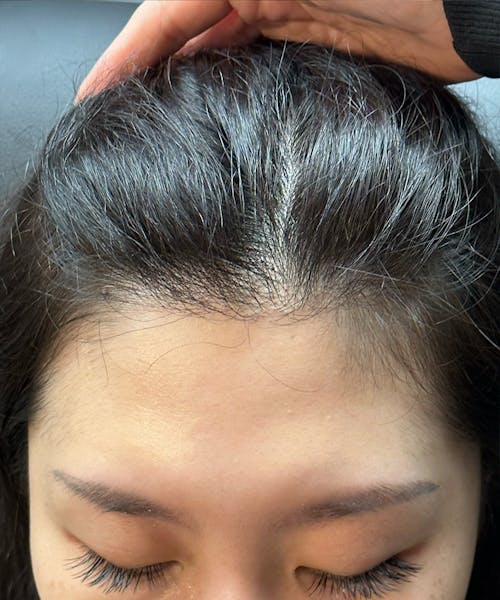
Before and After FUE / FUT Female Hair Transplant

View More FUE / FUT Female Hair Transplant Results

Why Women Choose Hair Transplant Surgery

A female hair transplant can:

  • Restore a thinning hairline
  • Rebuild density in the part line
  • Improve thinning temples
  • Add fullness across the crown
  • Address traction alopecia from tight hairstyles
  • Correct patchy loss from medical or hormonal changes
  • Restore hair after cosmetic procedures or scars

Because the donor follicles come from your own scalp, the transplanted hairs grow naturally, permanently, and seamlessly blend with your existing hair.

FUE vs. FUT Choosing the Right Method for Women

StudioMD offers both major transplant techniques, and the best option depends on your goals, donor availability, and the extent of thinning. Your surgeon will determine the most effective method to achieve optimal density while maintaining a natural look.

Follicular Unit Extraction (FUE)

FUE is a minimally invasive method where individual follicles are extracted one by one.

Benefits include:

  • No linear scar
  • Shorter recovery
  • Ideal for women who prefer to wear their hair long or tied up
  • Excellent for small to moderate-density restoration

Follicular Unit Transplantation (FUT)

FUT involves removing a thin strip of donor tissue and dissecting it into transplant-ready grafts.

Benefits include:

  • Higher graft yield—important when restoring large areas
  • Excellent donor hair preservation
  • Faster harvest when many grafts are needed
Background media

What to Expect During the Procedure

A female transplant typically takes 4–8 hours, depending on the number of grafts required. 

1. Local Anesthesia

You remain awake and comfortable throughout the procedure.

2. Donor Hair Extraction

Using FUE or FUT, grafts are carefully harvested from the back or sides of your scalp—areas resistant to thinning.

3. Recipient Site Creation

Your surgeon designs a soft, feminine hairline and implants grafts in the direction and angle that mimic natural growth.

4. Immediate Recovery

Most patients can return to daily activities in 2–5 days, depending on the method used.

Your Hair Transplant Long-Term Results 

Hair growth follows a natural cycle:

  • 3–4 months: early signs of new growth
  • 6 months: noticeable density improvement
  • 9–12 months: fuller, stronger, more visible results
  • 12–18 months: final, fully matured outcome

Because transplanted follicles resist the hormones that cause thinning, the results are permanent. Many women choose to combine their transplant with supporting treatments like PRFM, exosomes, LED therapy, or prescription medications to maintain lifelong results.

Banner media

Pay Monthly, Hassle Free
Up to 9 Months — No Interest

Ask About Our Financing Options During Your Consultation

*Read Affirms Terms & Conditions Here

Meet Your Providers In aesthetics, provider quality & experience mean everything.

khan

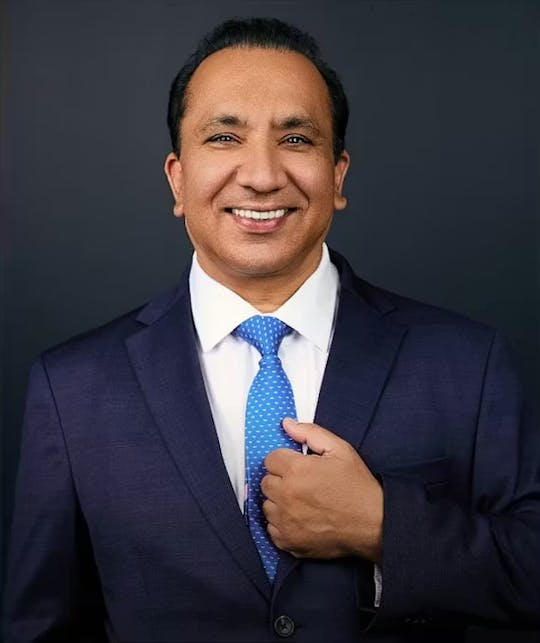
Dr. Ali Khan, MD

Physician

Dr. Ali Khan, with 18+ years in aesthetics, is a Smartlipo pioneer with 5,000+ procedures performed. He specializes in liposuction, injectables, hair restoration, and minor surgical treatments.

singh

Dr. Amar Singh, MD

Plastic Surgeon

Dr. Amar Singh is a board-certified plastic surgeon with over 20 years of experience. Trained in multiple fellowships, he specializes in facial plastic surgery, liposuction, injectables, and advanced laser treatments, while actively teaching future surgeons.

rivera

Maria Rivera, RN

Clinical & Operations Director for Hair Restoration

Maria Rivera has over twenty years of experience in the medical field and hair restoration and is a leading expert in FUE, FUT, hair injections and everything else about hair loss treatments and procedures.

Dr. Louis Mariotti, DO

Board Certified Plastic Surgeon

Dr. Mariotti is a Board Certified Plastic Surgeon, specialist in Hair Restoration Medicine and Surgery. With over 30 years of experience and a strong background in facial plastic surgery and hair restoration, he has trained and instructed other surgeons at leading conferences and has been actively involved in advancing techniques within the field.

Our Locations

Social Feed See What’s New

Follow us on instagram

Frequently Asked Questions FUE / FUT Female Hair Transplant

What is the difference between FUE and FUT?

FUE extracts individual follicles, resulting in no linear scar and faster healing. FUT removes a thin strip of donor scalp to produce a higher number of grafts. Both are effective—the choice depends on your goals and donor availability.

Which method is better for women?

Both can work for women. FUE is popular due to minimal downtime, while FUT may be recommended when higher graft counts are needed to restore density.

How long does the procedure take?

Most female procedures take 4–8 hours, depending on graft requirements.

What is the downtime after surgery?

FUE recovery is typically just a few days. FUT requires slightly longer due to the donor area incision, but most patients resume normal duties within 5–7 days.

When will I see results?

Initial growth appears at 3–4 months, with results continuing to improve for a full year.

Is the procedure painful?

Local anesthesia keeps you comfortable. Mild soreness or swelling afterward is normal and resolves quickly.

Are the results permanent?

Yes. Transplanted follicles are genetically resistant to thinning.

Am I a good candidate?

The best candidates have stable donor hair and thinning in predictable patterns. A consultation is required to confirm your suitability.

Can I style or color my hair after the transplant?

Yes—once your grafts have fully healed and grown in, you may wash, cut, color, and style your hair as usual.

What are the risks?

Complications are rare but may include temporary shedding, mild swelling, or minor scarring depending on the method used.

Contact us media
Accessibility: If you are vision-impaired or have some other impairment covered by the Americans with Disabilities Act or a similar law, and you wish to discuss potential accommodations related to using this website, please contact our Accessibility Manager at (212) 219-1990.
Find a Location Give StudioMD a phone call at (212) 219-1990 Book Online Email